






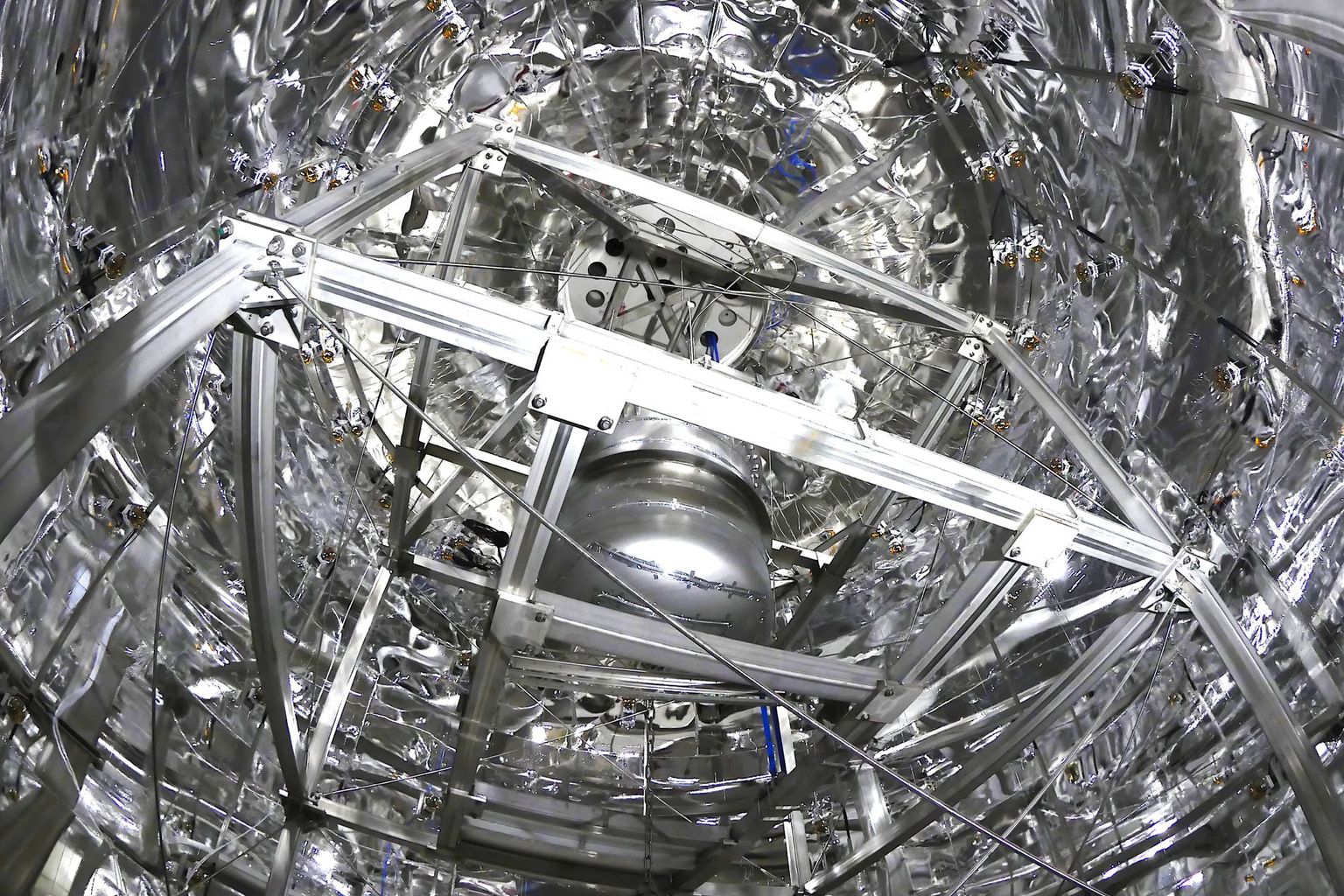
![Comparison between RK measurements. The measurements by the BaBar and Belle collaborations combine B+→K+ℓ+ℓ− and B0→KS0ℓ+ℓ− decays, where ℓ is a lepton. The previous LHCb measurements and the new result [4], which supersedes them, are also shown.](http://portal-cdn.scnat.ch/asset/40d25219-cf32-5d7f-a344-d4356ccc9252/Screenshot%202021-03-23%20at%2007.10.12.png?b=7f50075d-36d9-5913-bc44-fac8e7e34457&v=9bd7e834-a6a8-55b6-a09e-b7a43d64781f_100&s=ZXCr4RK3qEJY7uCaZs-9pRZZZ8OZ8EVj3Rtyhyf2-qP-evQun65d57tCLxGqXtaTEoil2Qpqb3qILXWzeagdRAk0VyPfdvD6i55sqpj1txNkByqDDgqtsu4QPc8YaVnoTVyp_QF8cXZ9TucqIpINFjwWWfLF-52KvErWu9a54Gs&t=2f78dd92-7a22-4f43-a0bf-8326ef689cea&sc=2 "Comparison between RK measurements. The measurements by the BaBar and Belle collaborations combine B+→K+ℓ+ℓ− and B0→KS0ℓ+ℓ− decays, where ℓ is a lepton. The previous LHCb measurements and the new result [4], which supersedes them, are also shown.")
- Medienmitteilung
- Meldung
Observation of the doubly charmed heavy proton Ξcc+ at LHCb experiment.
Bild: LHCb experiment1/32- Medienmitteilung
- Meldung
Das Vakuum zum Kochen bringen
Bild: CHIPP2/32- Medienmitteilung
- Meldung
Under the Alps: Assessing the Potential of Bedretto for Particle and Astroparticle Physics
Bild: Google map3/32- Medienmitteilung
- Meldung
Die Schnittstelle zwischen Physik, Mathematik und KI wird immer produktiver
Bild: KI-generiert4/32- Medienmitteilung
- Meldung
Onkel Dagobert entdeckt Teilchenphysik
Bild: Disney5/32- Medienmitteilung
- Meldung
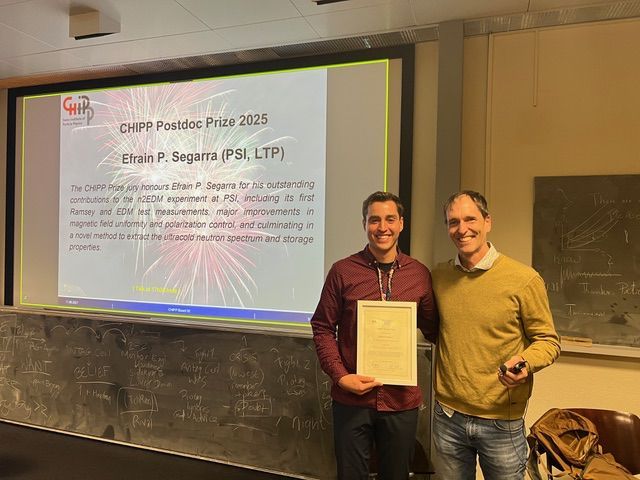
Erster CHIPP-Postdoc-Preis geht an PSI-Postdoc
Bild: CHIPP6/32- Medienmitteilung
- Meldung
CHIPP-Preis 2025: Top Präzision für Top-Quarks
Bild: CHIPP7/32- Meldung
Demo gegen Sparmassnahmen in Bildung und Forschung
Bild: AVETH8/32- Medienmitteilung
- Meldung
Swiss Input to the European Strategy for Particle Physics 2026 Update
Bild: CHIPP9/32Strategic Workshops & Documents
Bild: CHIPP10/32- Medienmitteilung
- Meldung
Dunkle Sirenen singen über dunkle Energie
Bild: CHIPP11/32- Medienmitteilung
- Meldung
Alles, überall, alles auf einmal in der Teilchenphysik
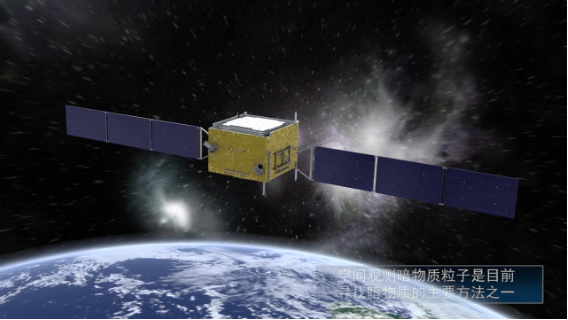
Bild: Video still, Chinese Academy of Science12/32- Medienmitteilung
- Meldung
IMPACT: Upgrade at PSI research facility approved
Bild: Scanderbeg Sauer Photography13/32- Medienmitteilung
- Meldung
Forschende entdecken extrem seltenen Teilchenzerfall
Bild: CERN14/32- Medienmitteilung
- Meldung
„Beim nächsten Neutrino ist es ...“
Bild: Federico Sanchez, U. Geneva15/32- Medienmitteilung
- Meldung
Neutrino-Experiment legt wieder los
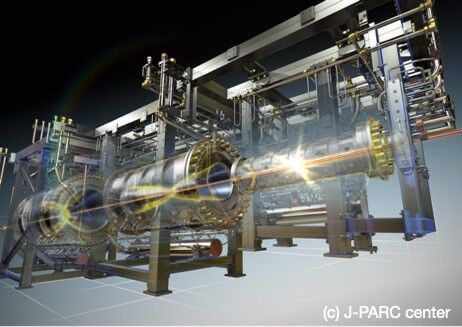
Bild: J-PARC/Rey.Hori16/32- Medienmitteilung
- Meldung
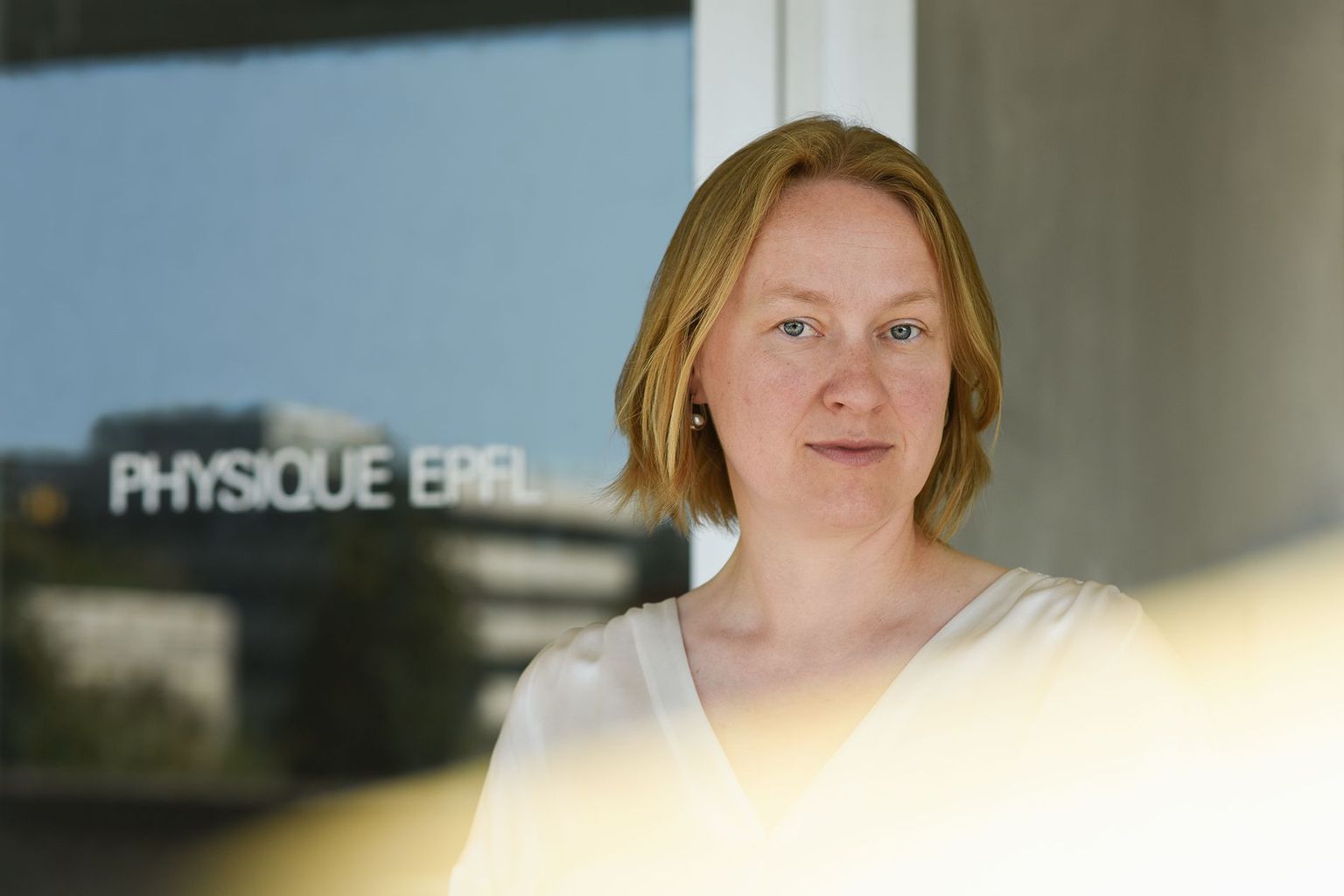
Lesya Shchutska ist Preisträgerin des Latsis-Preises 2023
Bild: SNSF, Mathilda Olmi17/32- Medienmitteilung
- Meldung
CHIPP Preis 2023: Auf Entdeckungskurs
Bild: Anne-Mazarine Lyon18/32- Medienmitteilung
- Meldung
Jetzt mit mehr Geschmack: Basel stärkt die Phänomenologie
Bild: Admir Greljo19/32- Medienmitteilung
- Meldung
Neu in den Kantonen: Forschung mit Kaonen
Bild: Radoslav Marchevski20/32- Medienmitteilung
- Meldung
Erste Neutrinos aus einer Teilchenkollision am Beschleuniger gesichtet
Bild: Anna Sfyrla21/32- Medienmitteilung
- Meldung
"Seltsame Gestalten" im Rampenlicht
Bild: U. Bern22/32Women In Science
Bild: CHIPP23/32PhD School
Bild: CHIPP24/32- Medienmitteilung
- Meldung
Hopp Higgs!
Bild: FERMILAB25/32Higgs@10
26/32- Medienmitteilung
- Meldung
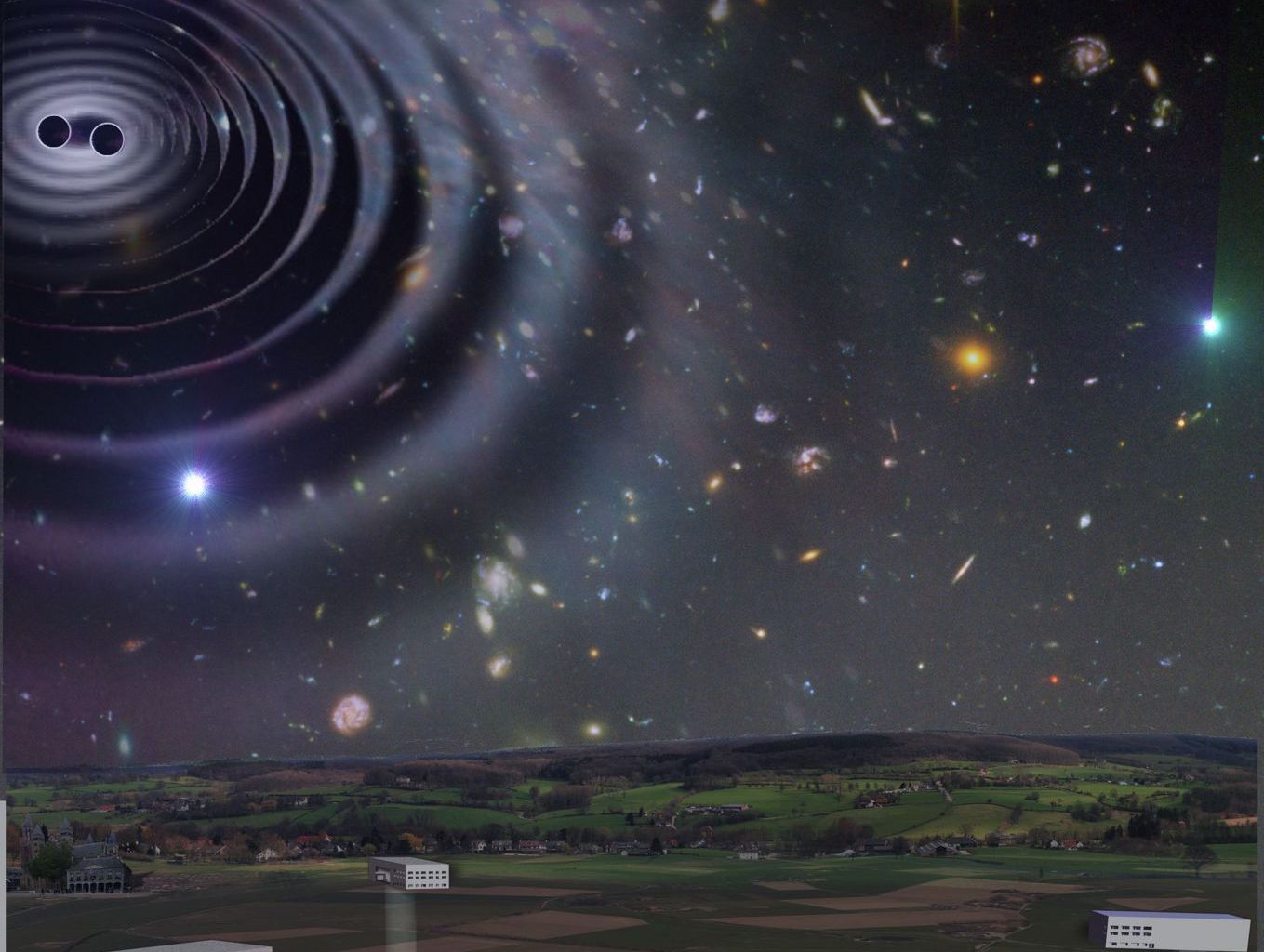
Extreme Ereignisse werfen ihre Wellen voraus - Schweizer Beiträge zur Gravitationswellen-Forschung
Bild: Bild: R. Williams (STScI), Hubble Deep Field Team und NASA27/32- Medienmitteilung
- Meldung
Gabriel Cuomo erhält den CHIPP-Preis 2021
Bild: G. Cuomo28/32- Medienmitteilung
- Meldung
Recent Results from LHCb Challenge Leading Theory in Physics
Bild: LHCb, CERN29/32- 2021
- Bericht
CHIPP Roadmap
Bild: SCNAT30/32- Medienmitteilung
- Meldung
Two dark matter detector heavyweights join forces to build new observatory
Bild: XENON experiment31/32- Medienmitteilung
- Meldung
Leading Xenon Researchers unite to build next-generation Dark Matter Detector
Bild: XENON collaboration32/32
The Swiss Institute of Particle Physics (CHIPP) is the bottom-up organisation of Swiss particle and astroparticle physics researchers in Switzerland as a legal entity of Swiss law. CHIPP is tasked with coordinating the national efforts in the realm of particle and astroparticle physics.
This is achieved by keeping a continuous dialogue between the particle physicists of different cantonal universities and federal institutes. CHIPP is recognized as the representative of Swiss particle physics both nationally and internationally. It awards yearly a Prize to a PhD student, supports workshops and conferences, organises PhD schools, and develops outreach projects.
Veranstaltungen, Meldungen, Publikationen
The CERN Council decided to update the European Strategy for Particle Physics
Budapest, 22 May 2026. Today, following more than two years of intense work of the European particle physics community under the auspices of the European Strategy Group, the CERN Council updated the European Strategy for Particle Physics which sets out an ambitious scientific vision for the field.
Bild: denisismagilov, stock.adobe.com
Observation of the doubly charmed heavy proton Ξcc+ at LHCb experiment.
Switzerland has been on top of the adaptation of the data of the brand-new LHCb Run 3 experiment in physics analyses. This new achievement required a quick calibration of the detector developed in direct collaboration with the analysts, where L. Dufour (at EPFL) contributed. Composed of two charm quarks and one down quark, the doubly charmed particle is four times heavier than a proton.
Bild: LHCb experiment
The future Einstein Telescope appoints a spokesperson from UNIGE
UNIGE Professor Michele Maggiore has been appointed spokesperson for the future European gravitational-wave observatory.
Bild: UNIGE
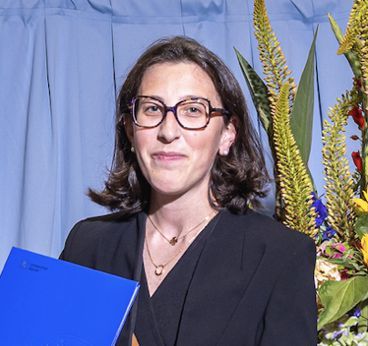
Florencia Canelli appointed CMS Deputy Spokesperson
Florencia Canelli, Professor of Physics at the University of Zurich, has been appointed Deputy Spokesperson of the CMS Collaboration for the period 2026–2028. In this role, she will support the newly elected Spokesperson Anadi Canepa in coordinating the scientific activities of one of the world’s largest particle physics collaborations, which brings together more than 6000 scientists, engineers and students. Florencia Canelli joined CMS in 2012 and has since held several leadership positions within the experiment. Her appointment highlights the important role played by Swiss institutions in the Compact Muon Solenoid experiment at CERN.
Bild: CERN
Transition in SHiP Physics Coordination
After twelve years guiding the physics programme of the SHiP Collaboration, Nicola Serra (University of Zurich) is stepping down as Physics Coordinator. Following the recent collaboration election, Lesya Shchutska (EPFL) will take over the role. With this transition, the coordination of SHiP remains in Switzerland, highlighting once again the strong contribution of Swiss institutions to the experiment.
Bild: CERN, SHiP
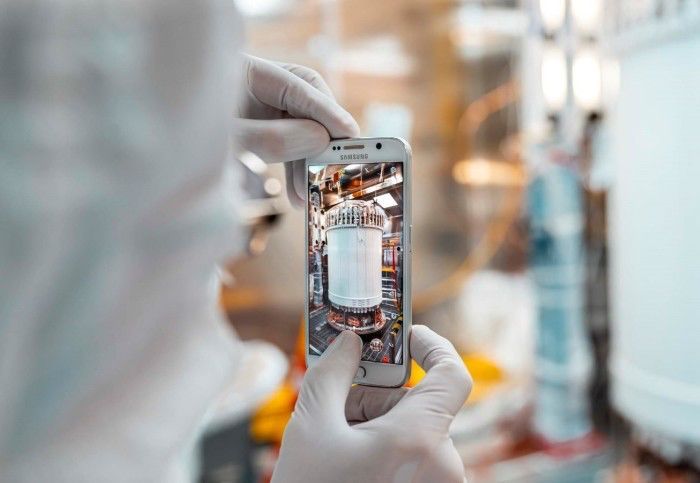
Das Vakuum zum Kochen bringen
Eine Gruppe von Wissenschaftlerinnen und Wissenschaftlern will Licht in einen unerforschten Bereich der Physik bringen – mit Hilfe eines hochenergetischen Elektronenstrahls, eines Lasers, einer Vakuumkammer und verschiedener Detektoren. Federico Meloni, Wissenschaftler am deutschen Forschungszentrum DESY und seit Dezember Professor an der Universität Bern, erklärt, was es mit dem «LUXE»-Experiment auf sich hat.
Bild: CHIPPKontakt
Swiss Institute of Particle Physics (CHIPP)
c/o Prof. Dr Paolo Crivelli
ETH Zürich
IPA
Otto-Stern-Weg 5
8093 Zürich
CHIPP Outreach Portal
Particle physics news
Partner:innnen | ||||||
|---|---|---|---|---|---|---|
 |  |  |  | |||